Get Adobe Flash player
Product Categories
Noticeboard
PRODUCT NEWS

NEW IN STOCK:
-Oranges have arrived- certified organic from Sunday's River Valley
-Venison - lots of variety to choose from
-Turnips are back
-Fresh Oyster Mushrooms are back

Coming soon:
-Fresh Garlic should be a week away

Thank you for supporting local, ethically grown produce.

 
Fruit Update

Some fruit starting to come in! Garden grown passion fruit and banana's available. Navel oranges and clementines coming soon! Enjoy

 
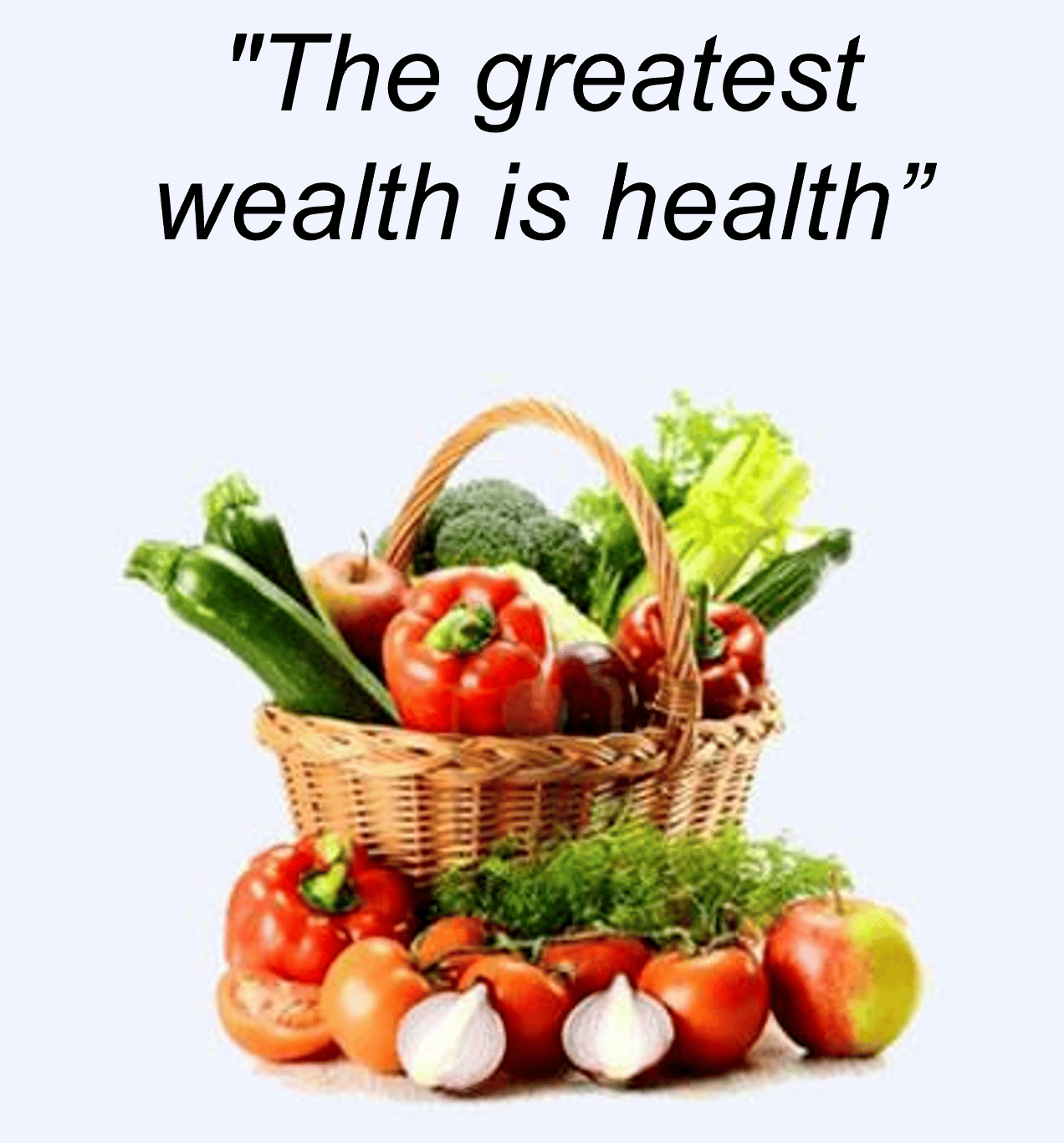
5 Health Benefits of Organic Food

5 Health Benefits of Organic Food

Published on July 14, 2011 By eating more organic food and encouraging the growth of the organic food industry, we are gaining substantial benefits to our health as well as helping to make the world a healthier place. But the benefits don’t stop there. Many people strongly believe that food grown on organic farms tastes better too. Here are five health benefits of organic food. More Nutritious Organic foods can be more nutritious, richer in vitamins, minerals and essential fatty acids than foods grown on conventional farms. Without chemical fertilizers to help food grow, soil on organic farms must have a high nutrient content in order to produce abundantly. Soil high in nutrients grows plants that are themselves high in nutrients. Chemical fertilizers used on conventional crops produce impressive growth by swelling produce with water. On the other hand, organic food has more dry matter by weight, meaning higher levels of nutrients. It also stands to reason that the immune system of any plant will not produce many phytonutrients, many of which are antioxidants, if it is been regularly protected by the spraying of chemical pesticides. Conventional farms also harvest crops earlier, store them for longer periods of time, and process them more, meaning valuable nutrients may be lost. Avoid Harmful Chemicals Since organic food is not prepared using chemical fertilizers and pesticides, it does not contain any traces of these strong chemicals. Food conventionally grown carries residues of the chemicals used to kill pests and weeds. These residues turn up on fruit and vegetables, and even in bread and baby food. Organically produced food is pure food. No hydrogenated fats, no artificial colors or flavors, no sweeteners and no preservatives. It contains none of the additives so often found in processed and fast food. There are no residual antibiotics or growth hormones in organic meat, no pesticides residues in organic milk, and no added starches bulking out organic baby food. Organic products are not genetically modified, eliminating another potential threat to long-term health. Better Taste Supermarkets decide which fruit and vegetable varieties to carry based upon appearance and shelf life. Flavor isn't always the most important consideration. There are many more varieties of fruit and vegetables available from organic sources, all with different tastes to discover and enjoy. Many people swear by the superiority in taste of organic food. This may be a reflection of the food’s higher nutritive value, a result of the richer soil such it is grown in, or the fact that it is most often sold locally and fresher than what is produced thousands of miles away and shipped to your supermarket. Eating organic brings an awareness of what foods are in season, and with it the chance to experiment more with what the earth naturally provides for our part of the world from one time of year to the next. Environment By avoiding the use of harmful chemicals, organic farming produces minimal soil, air and water pollution. Conventional intensive farming methods erode topsoil and strip many animals of habitat. Organic farms contribute to biodiversity, rather than relying on a limited set of conventional crops. This helps maintain varieties of fruits and vegetables in production, enriching our environment. By avoiding fertilizers and pesticides, organic farms do not contribute chemical runoff to our soil, rivers and lakes. Since organic food is grown for local markets, it does not contribute to the pollution of our air through carbon emissions produced by thousands of miles of transportation. Animal Welfare The welfare of animals is another important aspect of producing organic milk, organic meat, organic poultry, and organic fish. Intensive farming is often considered cruel to animals: chickens squashed into cages, pigs kept in tight pens, and cows milked to exhaustion. Organic farming methods consider the humane treatment of livestock. Grazing in organic pastures, animals get the fresh air, good food and the exercise that keep them healthy and resistant to sickness.

Credits: www.healthdiaries.com


Basket

Your Cart is currently empty.

Login


Organic Footprints facebook

going green 3